
Boone Rural Family Medicine Residency

Our curriculum is built around a simple idea: rural communities need family physicians who can do a lot, do it well, and know when and how to bring others into the care team. Clinical breadth, continuity, increasing independence, and thoughtful mentorship shape all three years.
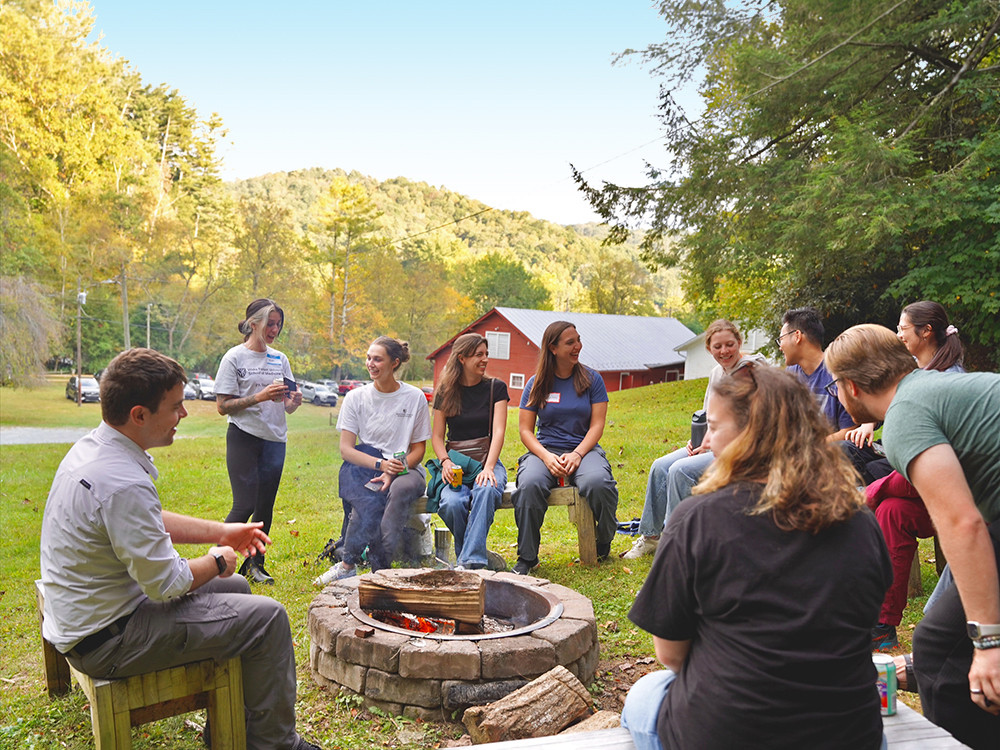
From the beginning, our residents are active members of the care team, learning by doing and taking meaningful responsibility for their patients. Intern year provides broad clinical experience in adult inpatient medicine, obstetrics, emergency medicine, inpatient pediatrics, and outpatient family medicine.
You'll learn to evaluate undifferentiated patients, manage acute and complex illness, and develop the clinical judgment and procedural skills that are essential to rural practice. In your continuity clinic, you'll begin building your own panel of patients and the relationships that will grow throughout residency, including caring for mothers and babies throughout pregnancy, delivery, and the postpartum period.
The first year is about learning to think broadly, ask good questions, and become increasingly confident caring for patients across a wide range of settings.
In your second year, you'll take on greater responsibility and autonomy in the clinic and hospital. You'll continue caring for your own patients while building the confidence to manage increasingly complex clinical situations.
Procedural training becomes a particular focus, with hands-on experience in central lines, paracentesis, thoracentesis, intubations, and point-of-care ultrasound. These are skills that can make a real difference when practicing in communities where specialty resources may be limited.
Elective time also allows you to explore your interests and begin shaping your training around the kind of physician you hope to become—and the needs of the community you hope to serve.
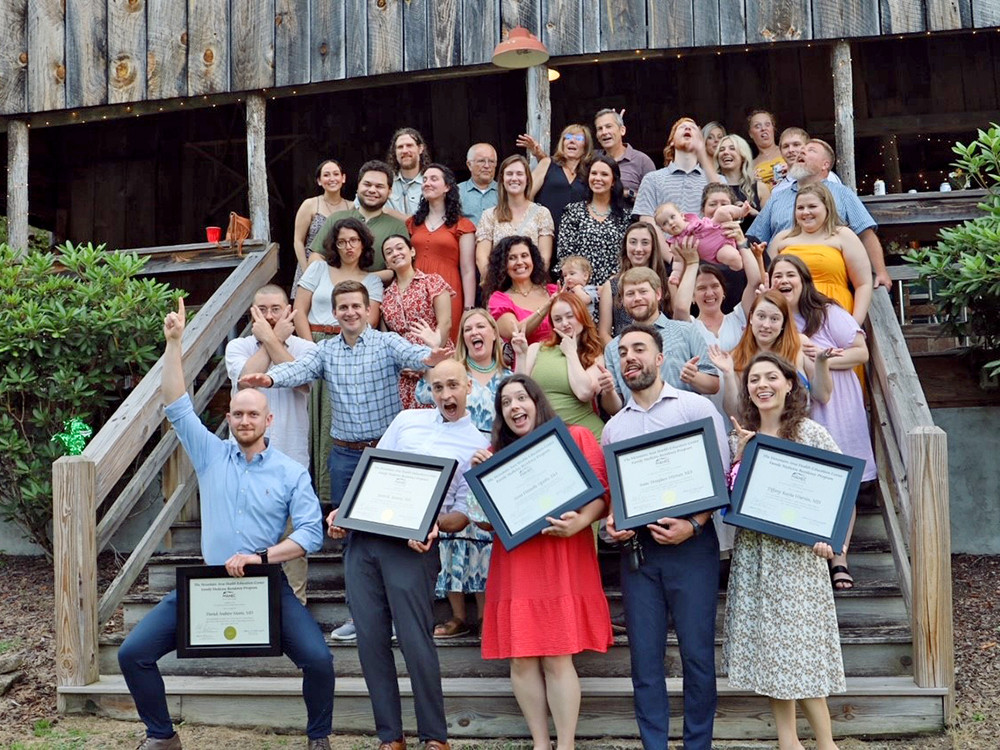
By your third year, you'll be stepping into the role of a physician leader, taking on greater autonomy while teaching and mentoring junior residents and students. On the inpatient service, you'll supervise the team, guide clinical decision-making, and help others develop procedural and patient management skills.
Your continuity practice grows alongside your clinical confidence, giving you the opportunity to deepen relationships with patients and families you've cared for throughout residency. Additional elective time allows you to pursue focused training in areas such as obstetrics, inpatient medicine, substance use disorder treatment, procedures, POCUS, lactation medicine, palliative care, sports medicine, or global health.
As you approach graduation, the emphasis shifts toward preparing for the realities of independent practice: making difficult decisions, recognizing when to seek help, leading a care team, and adapting to the resources and needs of your community.


