Psychiatry Residency

MAHEC's outpatient psychiatry clinic, the Center for Psychiatry and Mental Wellness, is housed at UNC Health Sciences at MAHEC along with branch campuses of the UNC School of Medicine and UNC Eshelman School of Pharmacy. Our residency program is located on the same campus with our dental, family medicine, transitional year, internal medicine, obstetrics/gynecology, pharmacy, and surgery residencies, which provides an optimal environment for cross-fertilization of ideas and collaboration.
First-year residents work in two inpatient psychiatric hospitals: The Sweeten Creek Mental Health and Wellness Center and the Charles George VA Medical Center. Residents also have two months of Inpatient medicine and one month of inpatient neurology at Mission Hospital. The remainder of the first-year primary care requirement will be completed in a combination of family medicine and internal medicine ambulatory care clinics.
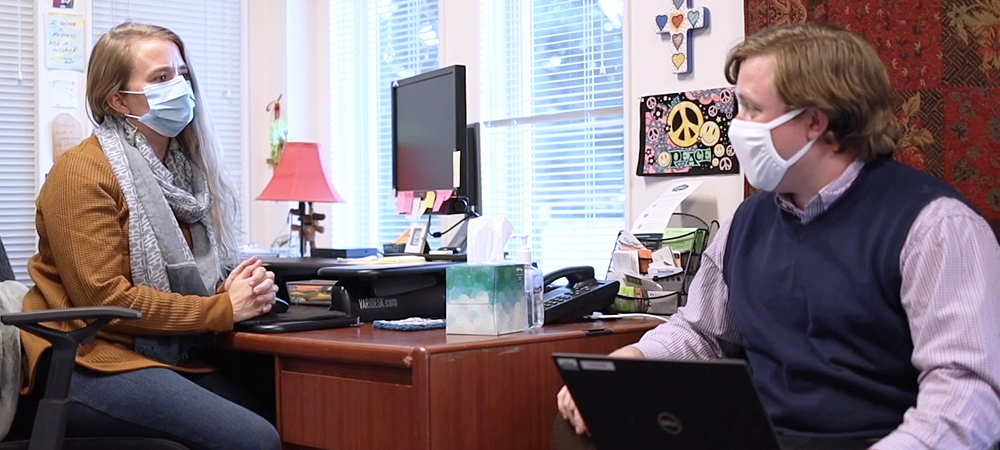
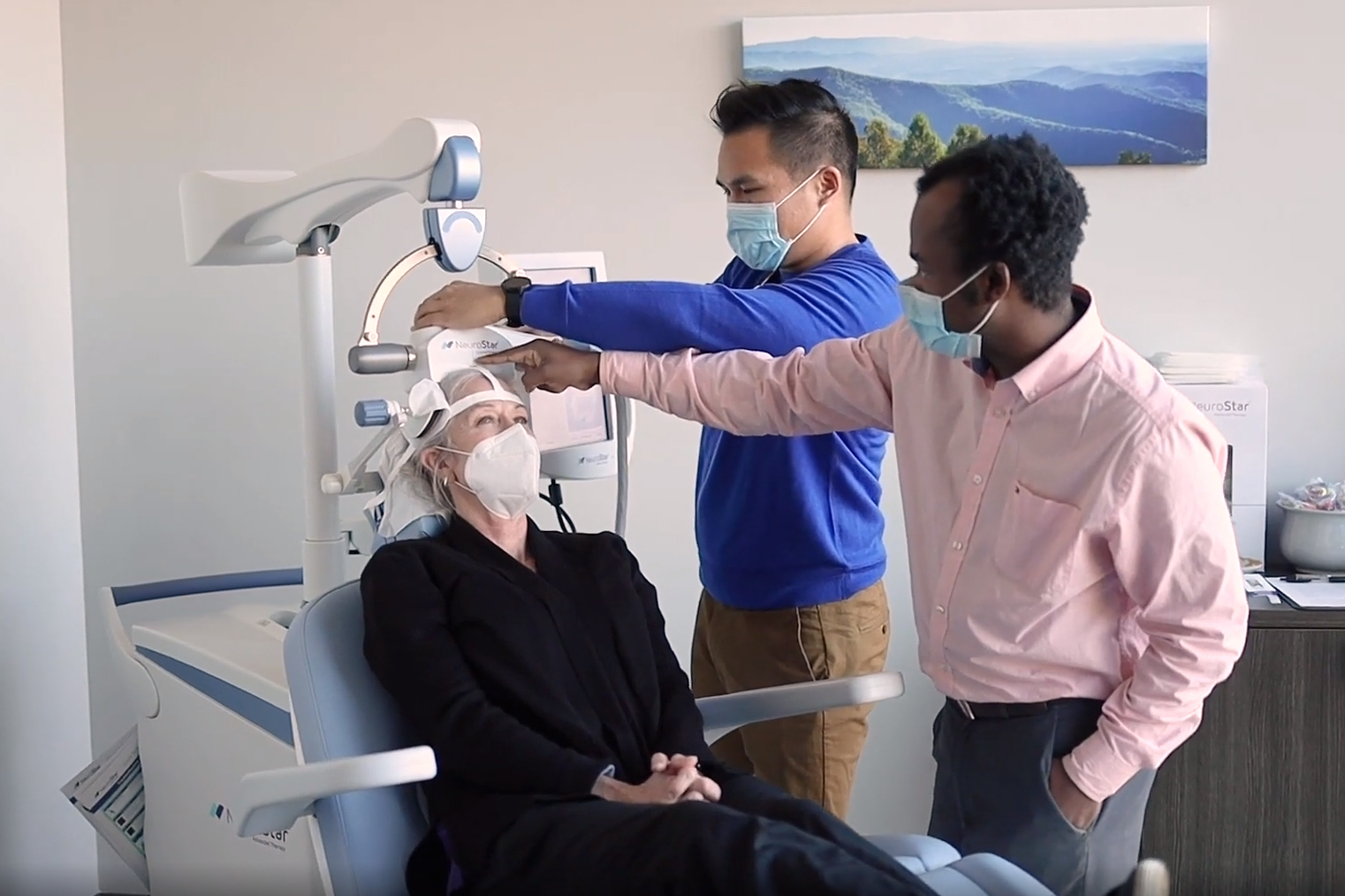
All second-year residents longitudinally rotate through an established set of outpatient psychiatric settings, including a TMS clinic, an IDD clinic, a university student mental health clinic, a ketamine-assisted psychotherapy clinic, psychiatric consultation clinics for both adults and children, and an outpatient psychiatry clinic at the Cherokee Indian Hospital. Additionally, all PGY2 residents join ride-alongs with the Buncombe County EMS PORT team and the Meridian/Blue Ridge ACTT Team. Second-year residents also spend one full day per week in both an adult and child continuity clinic, and one half day per week seeing psychotherapy patients.
Third-year residents return to the inpatient setting with more specialized psychiatry rotations including child and adolescent, geriatrics, and consultation/liaison with electroconvulsive therapy, as well as a substance use disorder rotation at the Julian F. Keith Alcohol and Drug Treatment Center (ADATC). The third-year resident also returns to the general adult psychiatry inpatient unit as a junior resident. Adult and child continuity clinics are one half day each every week in addition to the one half day spent seeing psychotherapy patients. The basic requirements for residency are completed after the third year, allowing residents to fast-track into a child/adolescent fellowship if desired.
Fourth-year residents have a one-month forensics rotation at Broughton State Hospital, two months in MAHEC Psychiatry’s PHP program, as well as two months at the VAMC doing a combination of consultation/liaison, substance use disorder, and integrated care clinic outpatient psychiatry. One half day per week is spent doing collaborative and integrated care consultations with rural primary care physicians as part of the Rural Health Initiative. Adult continuity clinic is one half day each every week. The remainder of the fourth-year resident’s time is elective, allowing them to create a personalized curriculum as they prepare to begin their career in psychiatry.
All residents have one afternoon each week protected for didactics. This includes an ongoing Journal Club, case conference, resident presentations, research, and ongoing lectures overviewing the psychiatric field of knowledge with an emphasis on evidence-based care.
"I chose this program because I felt who I was mattered more than what my application said about me. I had a patient recently who always said we are in the 'people business,' and he is absolutely right. The field we chose deals with people at their most vulnerable. This residency program has shown me that while you can learn the medicine, it is who you are and what you bring to the table that makes the biggest difference. Who you are matters and how you got here matters. What makes MAHEC so special to me is that I know—through the good, bad, and ugly—the family I found here will never make me feel like I am going through this on my own. From my beautiful, wonderful fellow intern cohort to the staff at West Side, “Best Side” Sweeten Creek, who have let me express my fears and feelings, invested time in me, and passed on their wisdom, I thank you. Being a resident here makes this grueling process lighter in a way. No matter where you choose to go, the universal truth is: RESIDENCY IS HARD. (You’ll see once you’re in it!)"
— Lara Maher, Class of 2030


