
Hendersonville Family Medicine Residency

You are at an exciting time in your professional journey. The next three years will shape you professionally and personally for a lifelong career of service, and we’re glad that you found your way here. While medicine has made amazing strides in the past 100 years, the systems we have do not deliver equally for all. Many changes are needed, but we clearly need physician leaders with competence and compassion for our communities.
In Hendersonville, we think that ALL should have high quality and affordable healthcare, and as a Teaching Health Center (THC), we get to practice this kind of real family medicine. Being a THC means that our residency is combined with a Blue Ridge Health, a Federally Qualified Health Center (FQHC) that serves as our clinical sponsor. We see all patients, regardless of ability to pay. In this partnership, our residents and our community both win.
Rural medicine is full of challenges: disproportionate mortality rates, higher rates of addiction, and mental illness. It is also an “opportunity desert” that has depressed access to housing, education, and employment. As a community-based program, we see these challenges as opportunities during every patient encounter as well as in larger community health projects. From day one in our program, you will engage in the issues and learn how to be a leader for change in your community.
Our curriculum is designed around giving you professional value. The flexibility to “choose your own adventure” is more than a slogan—it embodies the heart of how we want to form the next generation of Family Physicians. In your intern year, you will start shaping the curriculum that serves you for a lifetime of practice. You will train in full-scope family medicine that is robust and unopposed, and includes dedicated procedure time, high volume longitudinal obstetrics, and clinical exposure that will equip you for your future.
In residency, you will be stretched, discover new strengths, and you will be a new person by the end. In Hendersonville, we want you to find harmony in the professional and personal. We live in a beautiful part of the country and have built a supportive environment around personal wellness that values you as a colleague from day one. Our faculty and residents model balance, resilience, and long-term joy in a demanding profession.
It’s an honor that you are considering training with us, and we’re excited to meet you. Come and explore the education we offer, the values we share, and how we can help you develop into the physician leader of the future.
Sincerely,
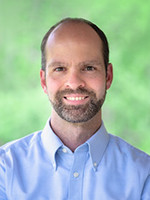 Daniel E. Yoder, MD
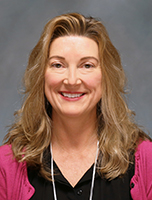 Tracie Hazelett
 HFMresidency@brchs.com
In North Carolina, retaining one newly graduated physician adds approximately $2.1 million to the state economy and creates about 13 new jobs. In total, $668 million in economic output for WNC has been generated by MAHEC GME graduates since our programs began.
Of the 783 MAHEC graduates with available data,

practice in the state of North Carolina.
Of the 394 MAHEC graduates practicing in the state,

practice locally in Western North Carolina.
Of the 783 MAHEC graduates with available data,

serve in rural or partially rural areas.
50% of our total graduates practice in the state of North Carolina.
41% of our total graduates practice locally in Western North Carolina.
29% of our total graduates serve in rural or partially rural areas.
 Creating
4,039 jobs locally in Western North Carolina and
965 jobs in other areas of the state.
 Generating
$ 668 million in local economic output for Western North Carolina and
$ 160 million in economic output for other areas of the state.
Above data includes only graduates whose employment status could be located.
*The AMA defines “output” as direct (medical revenues, jobs/wages and salaries created by the physician, and taxes paid) and indirect (supplies/equipment purchased by physicians, practice administrative services, cleaning/property maintenance services, and clinical and laboratory services) benefits.
MAHEC offers a variety of student rotations in Family Medicine, Obstetrics and Gynecology, General Surgery, Rural Medicine, and Psychiatry for both in-state and out-of-state students interested in our residency programs. Learn more about our 4th year medical student rotations
MAHEC is committed to inspiring and equipping the next generation of healthcare professionals and expanding access to care for all. Our vision is to create a healthier community in Western North Carolina and beyond.


